Premium Seating Team
The Division of Intercollegiate Athletics
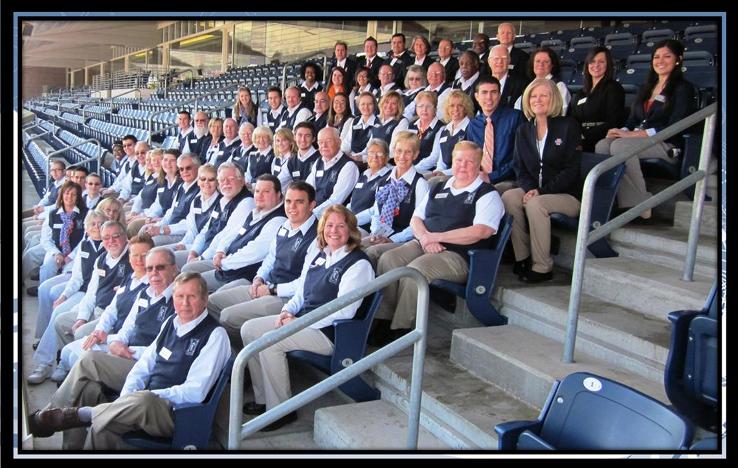
As I was interviewing for a position with the Division of Intercollegiate Athletics (DIA) to work in Premium Seating for the 2012 fall semester, I knew I could learn a lot about customer service, relationship building and especially ethical practices.
As an employee of Premium Seating, I learned a great deal about customer service. Our directors emphasized keeping the patrons happy and smiling despite the outcome of the game. The atmosphere of the work environment was always fast-paced, energetic and happy. This was accomplished by the great examples our directors set for us. Never did I see any of them get angry with an employee, or inappropriately reprimand an employee. Their positive example set as leaders is one that I hope to take with me throughout my leadership career. I believe what made their leadership methods successful was the amount of relationship building that they participated in. All employees were urged to create relationships with the patrons because in premium seating, seats are purchased for the duration of the football season. Thus, by creating these bonds, the staff is able to nurture a relationship with the patrons that can be grown week after week. I got to know a few patrons very well. They were very surprised that I remembered them each week and were very happy at the outstanding service I provided the entire family throughout the entire season. Building relationships is a key tool for any person’s leadership tool box. Being able to forge those relationships shows the followers, customers, and employees that the leader can identify the individuals in a large gathering. Being recognized shows the leader takes pride in knowing who she serves.
A large part of working in Premium Seating is being ethical. This relates well to the leadership skill of ethical practices. For instance, many people ask to see the Athletic Director because they are old friends or they need to speak to him about an issue; it is my job to treat everyone equally and say no. It is also an ethical practice to not do favors for certain people. A classic example is when I tell people that I work in Premium Seating, they usually ask for tickets or a sneak peak of the box seats. It would be unethical of me to allow this for my friends and family where there is a strict policy against it. This experience was a test of my morals and values. I had to treat everyone to the standard of their ticket; meaning, if the ticket did not allow a person in the Colonnades, then I needed to escort them back to their seats regardless of their business.
I can apply this experience to any of my current or future positions. I need to remember that there are rules for a reason. Upholding these rules needs to be a priority all while creating relationships with the patrons. A positive relationship can be the difference between renewing their box next season and taking their business elsewhere.
While working in Premium Seating, I did strengthen my relationship building tool; however, I need to focus on attaching the story with the patron. I can remember many stories and experiences, but matching the story to the face is where I need to focus my energy. This position enhanced all of my goals under Interpersonal Development: Relationship Building, Communication Skills, Ethical Practices, and Team Development.